
Navigating Ethical Crossroads: Advancing Moral Resilience, Team Cohesion and Patient-Centered Outcomes
Protect integrity. Strengthen resilience. Lead with integrity.
This 1.0 contact hour, on-demand course offers a practical path forward.
Discover The Opportunity
Decide If It's For You
Get Started!
You entered nursing to make a difference...
To bring your knowledge, your judgment, and your humanity to moments that matter most.
You expected that when it mattered most, you would be able to do what you knew was right.
And yet…
In real-world practice, situations arise where:
• knowing what the right thing is, but not being able to act on it
• working within constraints of time, staffing, or resources
• navigating unclear or competing expectations
You may recognize the feeling:
• replaying a situation long after your shift ends
• questioning whether you did enough
• carrying the weight of what could not be said or done
And over time, that weight accumulates.
This is where the gap lives.
Not in knowledge.
Not in commitment.
This course is not about coping.
It is about staying aligned with who you are as a nurse and leader, even when the system makes that difficult.
Ethical challenges are not rare events.
They are part of everyday practice.
And when they are not addressed, the impact extends beyond the moment:
• moral distress and moral residue
• emotional and professional strain
• breakdowns in communication and team cohesion
• decreased psychological safety
• compromised patient-centered care
This course addresses that reality directly.
What This Course Is About
Navigating Ethical Crossroads: Advancing Moral Resilience, Team Cohesion and Patient-Centered Outcomes is a 1.0 contact hour, on-demand webinar designed for: is a 1.0 contact hour, on-demand webinar designed for:
• Nurse leaders supporting teams through ethical tension
• Nurses navigating complex clinical realities
• Faculty preparing students for real-world practice
This is not a course about ethics in theory. This is relational, leadership, and identity work.
While many courses focus on ethical principles or decision-making models in isolation, this course focuses on how ethical challenges are experienced in real-world practice and how they shape you, your team, and the care you provide.
Because ethical tension is not just a cognitive exercise.
It is a lived, emotional, and relational experience.
And how you navigate it becomes a signal to yourself, your team, and your patients, about what truly matters.
Through a practical, evidence-informed approach, you'll learn how to:
• Recognize and name moral distress, moral residue, and moral injury in real time
• Distinguish ethical strain from burnout—and respond appropriately
• Understand the individual, team, and system drivers of ethical tension
• Strengthen moral resilience without compromising your integrity
• Engage in ethical dialogue with clarity, courage, and respect
• Apply structured frameworks (4 A’s, 7-Step Model) to complex situations
• Support team cohesion and psychological safety during ethically challenging moments
Why this matters
When ethical challenges are not addressed:
• Distress accumulates—often silently
• Communication becomes guarded or avoidant
• Team cohesion weakens
• Psychological safety erodes
• Patient-centered care is compromised
And over time, this doesn’t just affect individuals.
It shapes the culture.
When ethical challenges are addressed well:
• Integrity is preserved—even under pressure
• Teams communicate more openly and honestly
• Trust strengthens
• Alignment with values becomes visible and shared
• Patient care improves in meaningful, measurable ways
Ethical leadership is not about having all the answers.
It is about creating the conditions where integrity can be sustained.
What makes this course different?
Unlike traditional feedback training, this course:
• Reframes feedback as relational and culture-shaping—not transactional
• Addresses both giving and receiving feedback
• Integrates evidence-based frameworks with real-world application
• Focuses on psychological safety and accountability
• Provides language and strategies you can use immediately
Course Experience
• One contact hour
• On-demand, self-paced webinar (60 minutes) with immediate access
• Recorded presentation with slides and guided reflection
• Downloadable workbook included
• Post-test and evaluation required for contact hour
Key Takeaways
By the end of this course, you will be able to:
• Identify common sources and consequences of moral distress, moral injury, and ethically complex situations in nursing practice.
• Describe evidence-based strategies for promoting moral resilience and maintaining team cohesion when facing ethically challenging situations.
• Develop a plan to apply at least one evidence-informed strategy to reduce moral distress and support integrity-based practice in their own workplace.
Imagine Leaving With...
✓ Greater clarity in ethically complex situations
✓ Language to express concerns with confidence and professionalism
✓ Tools to navigate tension without carrying it alone
✓ A stronger, more grounded sense of professional integrity
✓ The ability to support your team through ethical challenges
✓ A renewed connection to your purpose as a nurse and leader
Ready to feel clear, confident, and at peace with the decisions you make, even in the hardest moments?
If you want to shift from ethical uncertainty and moral distress to grounded, values-aligned action that strengthens resilience and team cohesion, this course will meet you there.
Enroll today for $29 and earn 1.0 contact hours. Immediate access. Learn on your schedule.
1.0 Contact Hour For RNs, LPNs, APRNs:

Maureen Metzger is approved as a provider of continuing nursing education by the Florida State Board of Nursing. This course offering is approved for 1.0 contact hours applicable for APRN, RN or LPN relicensure. Florida State Board of Nursing Provider Number: 50-53447.
Course Description:
Navigating Ethical Crossroads: Advancing Moral Resilience, Team Cohesion and Patient-Centered Outcomes is a 1.0 contact hour, on-demand webinar designed for nurse leaders, clinical nurses, and educators who want to navigate ethical challenges with clarity and integrity while strengthening moral resilience, team cohesion, and patient-centered care.
Nurses do not enter practice expecting to feel conflicted about doing the right thing, yet in today’s healthcare environments, situations arise where competing priorities and system constraints make it difficult to act in alignment with one’s values.
In many settings, these moments are navigated quietly. Concerns go unspoken. Actions feel constrained. And the weight of “what couldn’t be done” lingers, not because nurses lack commitment, but because they have not been equipped with a clear, practical way to respond.
Over time, this moral strain doesn’t just stay contained. It erodes confidence, team cohesion, and the quality of patient care.
This webinar bridges that gap.
Through an evidence-informed, highly practical approach, you will learn how to recognize and respond to ethical complexity in real time, without losing your sense of integrity or connection to your team.
You’ll gain tools to navigate moral distress, engage in meaningful ethical dialogue, and apply structured decision-making frameworks in the moments that matter most.
Rather than focusing on theory alone, this course shows you how ethical decision-making actually unfolds in real-world practice—and how to stay grounded, aligned, and effective within it.
By the end of the course, you will leave with greater clarity, renewed confidence, and actionable strategies you can use immediately to support yourself, your team, and the patients you serve..
"It's not the load that breaks you down.
It's the way you carry it."
Lena Horne
Meet Your Guide
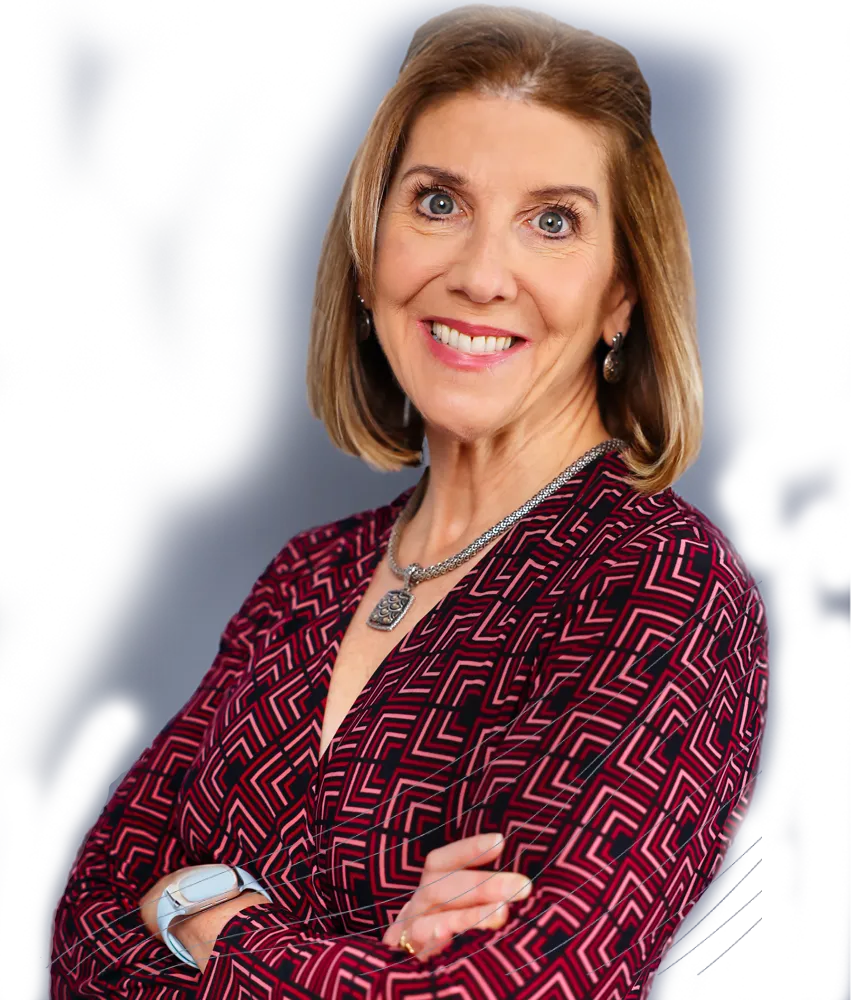
Maureen Metzger, PhD, RN, is a nurse, educator, and professional coach with more than four decades of experience in healthcare. Her work focuses on communication, decision-making, and helping nurses and leaders engage in meaningful, effective interactions in complex environments.
Her clinical background includes extensive work with patients and families facing advanced chronic illness. She is a nurse scientist whose research focused on communication, decision-making, and interventions that empower individuals to participate meaningfully in care.
An award-winning educator and trusted coach to nurses, nurse leaders, and educators nationwide, Maureen integrates evidence-based practice, coaching psychology, and deep respect for the relational heart of nursing.
Her work is grounded in a simple belief: nurses deserve to thrive while doing meaningful work.
Contact her at [email protected]